433 sick in Bronkhorstspruit: your tap water is still unsafe
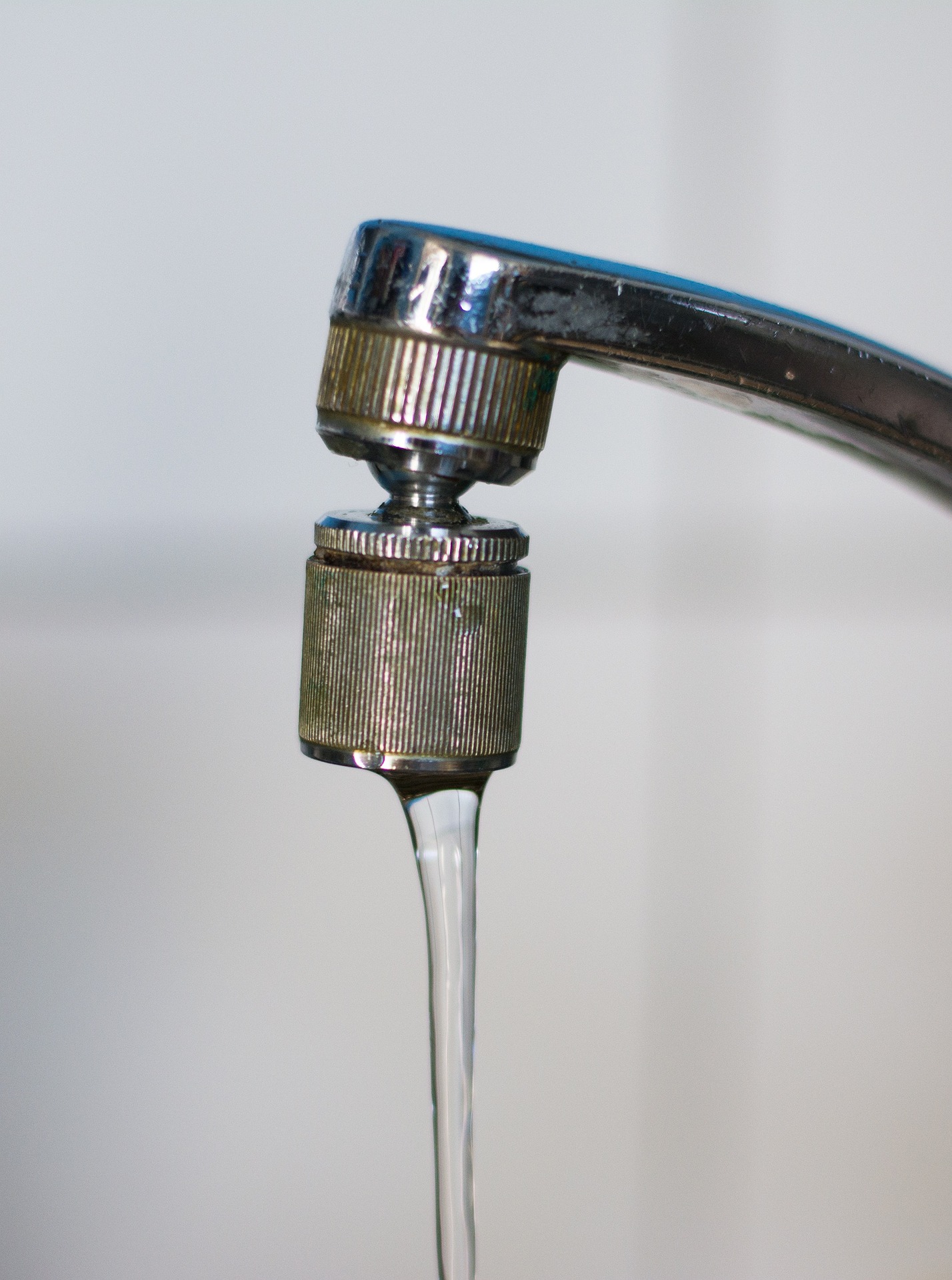
Photo: Vien Hoang, CC0 via Wikimedia Commons
Tap water in Bronkhorstspruit and nearby areas in Tshwane's Region 7 is still not safe to drink, cook with or wash in, even if you boil it. The City of Tshwane says it should be used only to flush toilets until the city officially confirms it is safe (City of Tshwane).
By 21 October 2026, 433 cases of gastrointestinal illness had been linked to the outbreak, most of them children under four (EWN). No deaths had been reported as of 18 October (NICD).
Which areas are affected?
Patients have come from these communities, mostly supplied by the Bronkhorstspruit Water Treatment Works (gov.za, NICD):
- Bronkhorstspruit
- Zithobeni
- Rethabiseng
- Dark City
- Ekandustria
- Ekangala
- Sokhulumi
Tshwane mayor Nasiphi Moya said the chlorine problem was limited to the Bronkhorstspruit plant and that the city's other treatment works have kept chlorinating (EWN).
What made people sick?
A joint statement from the health and water ministries, the Gauteng government and the City of Tshwane says contaminated water from the Bronkhorstspruit plant caused the illness (gov.za).
According to that statement:
- The Department of Water and Sanitation (DWS) found the plant's water was not chlorinated between 24 September and 14 October because of problems with the city's chlorine supplier.
- DWS tests on 14 October found very high levels of E. coli and total coliforms in water leaving the plant and in the Ekandustria and Zithobeni reservoirs.
- NICD lab tests found norovirus, Campylobacter and Shigella in three of four stool samples. No cholera was found.
- The plant draws from the Bronkhorstspruit River, which DWS says is heavily polluted by sewage from upstream.
The same statement says DWS found the city did not warn residents that the water was unchlorinated, as the 2025 water services standards require, and that DWS has started accountability steps (gov.za).
When will the tap water be safe again?
There is no date yet. Chlorine supply was restored by 15 October and the plant reopened on 16 October, but the city told residents the water was still not fit to drink (gov.za).
Rand Water is now helping repair the plant. Moya said flushing and disinfection of the pipe network are starting, with daily water testing by the city, DWS and the Water Research Commission, and warned that a temporary shutdown of the plant may be needed for equipment work (Sowetan). The Water Research Commission is also running an independent investigation, with its report due by 28 October (gov.za).
Where do residents get safe water?
The city is delivering drinking water by tanker. The water comes from the Cullinan treatment works, which city and DWS tests show is safe (gov.za). Moya said 35 tankers were operating on 20 October, with a 36th expected on 21 October (Sowetan).
The Department of Health advises residents to (NICD):
- Use tanker water or another officially confirmed safe source for drinking, cooking and personal hygiene.
- Throw out tap water you stored earlier, then wash and disinfect containers before refilling.
- Keep water in clean, covered containers and don't dip hands or cups into it.
What symptoms should you watch for?
The NICD lists diarrhoea, vomiting, stomach cramps, fever or weakness, and signs of dehydration such as passing less urine, a dry mouth, dizziness or unusual drowsiness (NICD). Children under five, older people and people with weak immune systems are at higher risk.
Health officials say anyone in the affected areas with these symptoms should get to a clinic or hospital promptly. While arranging care, the NICD advises small, frequent sips of oral rehydration solution made with safe water, if the person is conscious and able to drink (NICD).
New cases have dropped from a peak of 72 on 13 October to 16 on 18 October (gov.za).
FAQ
Is Bronkhorstspruit tap water safe to drink?
No. As of 21 October 2026 the City of Tshwane says tap water in the affected areas should be used only for flushing toilets, not for drinking, cooking, bathing or washing, even after boiling.
How many people are sick in the Bronkhorstspruit outbreak?
EWN reported 433 cases of gastrointestinal illness by 21 October 2026, mostly children under four. No deaths had been reported as of 18 October.
What caused the Bronkhorstspruit outbreak?
A joint government statement says water from the Bronkhorstspruit Water Treatment Works was not chlorinated from 24 September to 14 October, and tests found high E. coli levels. NICD tests found norovirus, Campylobacter and Shigella in patient samples, but no cholera.
Where can Bronkhorstspruit residents get safe water?
The City of Tshwane is delivering drinking water by tanker from the Cullinan treatment works, which city and DWS tests show is safe.
Which areas are affected by the Bronkhorstspruit water problem?
Bronkhorstspruit, Zithobeni, Rethabiseng, Dark City, Ekandustria, Ekangala and Sokhulumi in Tshwane's Region 7.
Sources
- South African Government: Joint media statement on Bronkhorstspruit water (19 October 2026)
- NICD: Public health alert on gastrointestinal illness in Bronkhorstspruit
- City of Tshwane: Use Bronkhorstspruit tap water only for flushing toilets
- EWN: Tshwane says gastrointestinal illness outbreak isolated to Bronkhorstspruit
- Sowetan: Chlorine supply restored, but Bronkhorstspruit water not yet safe to drink